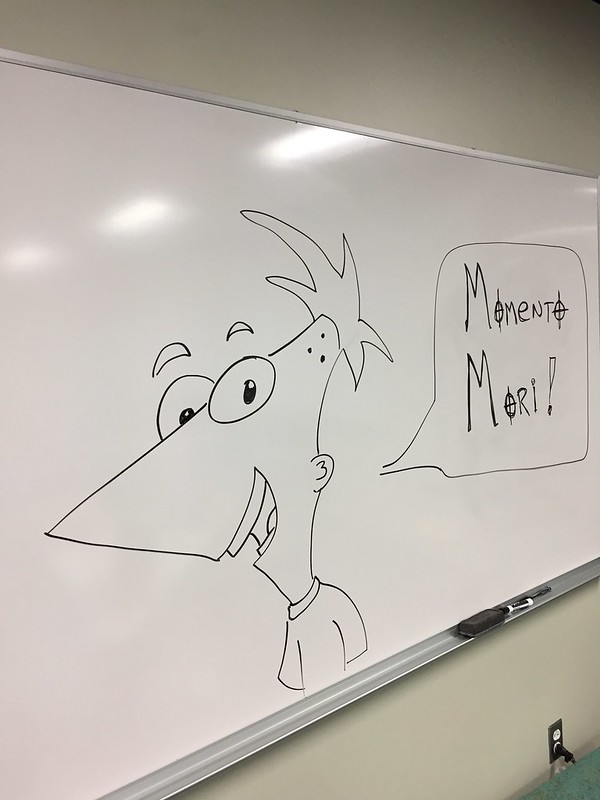

October is the month that death haunts the living. The line between the worlds of the living and the dead becomes thin and permeable. All sorts of spirits—wicked and benign—cross paths with their fleshy counterparts. One who listens closely can hear their ancestors crossing in the night.
Or so I’m told. And at times, so I’ve believed.
But these days, I tend to think of death as always just around the corner. After all, a fairly significant part of my business is death. That sounds a little grim. But I mean only that I help people settle the estates of their deceased loved ones and plan for their own passing.
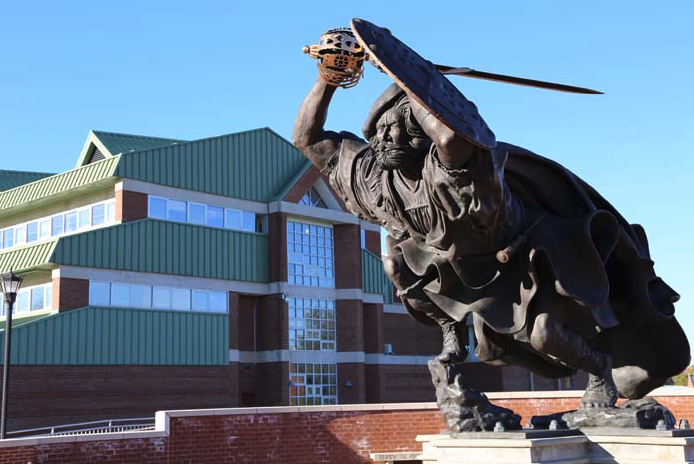
For history’s elite warriors, death was their business. It was no metaphor or dramatization for them. Death was their coin and bread. They braced themselves to mete it out and recieve it in kind. Philosophy and literature reflects this need.
When Gilgamesh stalked down Utanapishtim, the only man with life everlasting, he was forced to face the limits of existence: “There is no permanence. Do we build a house to stand forever, do we seal a contract to hold for all time? Do brothers divide an inheritance to keep forever[?]” More than a thousand years later, Musashi would provide counsel similar to Utanapishtim. “Generally speaking”, he wrote in the Ground Book, “the Way of the warrior is resolute acceptance of death.” And Volsung spoke similarly to Signy: “No one may escape dying that once, and it is my counsel that we not flee, but for our own part act the bravest.” (Saga of the Volsungs 2, page 40).
In this time where we are reminded of death, what can we take from these warriors?
Death is present with us as we proceed through life. And it threatens us in all our endeavours. But we cannot fight it. Even Gilgamesh was forced to surrender the life-giving plant at the end of his quest. So if we must trade with Death, how do we get the best exchange for his currency?
Our sources suggest that we must take the opposite path of Gilgamesh. We should not fight death—after all, we know that fight is impossible. Instead, we must embrace it, prepare for it, accept it in inevitable. Yamamoto Tsunetomo returned to that theme repeatedly in the Hagakure. But his most direct statement was in his first chapter:
If by setting one’s heart right every morning and evening, one is able to live as though his body were already dead, he gains freedom in the Way
Tsunetomo – Hagakure, Chapter 1
To live like a warrior, one must have a routine of death. Morning and evening, one must recall the inevitability of the end. But one must also give thanks that the end has not yet arrived. The victories and defeats of yesterday must give way to the possibility of the future. To have freedom in battling through to that future, one cannot be paralyzed by fear that it will come.
 Quills and Quintains